Understanding Linen: From Flax to Fabric
A couture primer on linen, tracing its origins from flax fields to the tactile drama of textiles. This editorial explores how flax fibers shape texture, drape, and care across bedding, apparel, and home textiles—and how discerning readers can recognize authentic linen in a world of imitators.
Linen is more than a fabric; it is a story woven through history, science, and daily rituals. Derived from the flax plant, linen fibers boast a legacy of European craftsmanship and sustainable practice. The very texture of linen carries memory—the memory of winds across flax fields, the quiet alchemy of retting and scouring, and the patient artistry of weaving. In the modern home, linen sunlitly reframes the idea of luxury: breathable, strong, and gracefully imperfect, linen aging with character rather than degradation.
This piece acts as a primer for readers who want to evaluate linen-based bedding, clothing, and home textiles with a confident, fashion-forward sensibility. We begin with the flax-to-fiber journey, move through essential terminology, and close with practical care tips that preserve the linen hand and color for years to come.
From Flax to Fiber: The Linen Journey
Linen begins its life in the flax plant (Linum usitatissimum). The journey from field to fabric is a multi-step ritual that has changed little in essence across centuries. Flax plants are harvested, their stalks retted to loosen the fiber, and then carded, combed, and spun into yarns. The resulting fibers—Line flax and tow—are distinct in texture, strength, and sheen. When woven into linen fabric, these fibers yield a material that is breathable, exceptionally strong, and naturally moisture-wicking. Linen’s inherent architecture allows air to circulate, which translates to a cooling, comfortable hand that remains elegant with wear and washing.
In the linen-leaning bedding and textiles world, we often see linens labeled with the flax’s geographic provenance—Belgian Linen label, Portuguese flax, or Italian-processed blends. These labels carry weight, signaling a tradition of careful cultivation, ethical processing, and a lineage of craftsmanship that resonates with modern readers who value sustainability and slow fashion.
Key Linen Terminology: Tow, Line, Retting, and More
Understanding linen begins with a small glossary that deciphers the language of flax and fabric. Some terms you’ll encounter include:
- Flax – The plant from which linen fibers are harvested; refers to the raw botanical material.
- Tow vs. Line flax – Tow is the shorter fiber harvested for coarser linen; line flax is the longer, finer staple used for smoother, more luxurious fabrics.
- Retting – A microbial or chemical process that loosens the fibers from the stem; an essential step in linen production.
- Scouring – Cleaning the fibers to remove oils and impurities before spinning.
- Hemming – Finishing the edges of linen textiles for durability and a refined look.
- Belgian Linen label – A certification signaling Belgium-woven linen with European flax, known for quality and a refined hand.
Authentic linen tends to have a crisp, slightly irregular surface that softens with use. It breathes, drapes with a natural, lazy glow, and reveals a gentle creasing that many readers find part of linen’s charm.
Linen in Bedding and Textiles: Texture, Drape, and Care
When linen is used for bedding, its breathability translates to a cooler sleep surface in warm climates and a wonderfully comfortable feel year-round. The texture can range from a crisp, almost linen-like finish in lightweight bedding to a softer, more lived-in hand in flax blends. The weave matters: linen is commonly found in plain-weave, herringbone, and other natural-textured patterns that highlight the material’s irregular character. The drape—how the fabric falls and folds—often exudes a relaxed, refined mood that complements minimalist to coastal interior aesthetics.
In our editorial wardrobe of textiles, linen blends with cotton or other fibers to create fabrics with a balanced hand, improved softness, and enhanced laundry practicality. A Linen/Cotton blend can offer a friendlier hand for everyday sheets, while pure linen gives the definitive linen experience: dry, crisp, and enduringly chic.
Care and Longevity: Keeping Linen Light and Luminous
Care guides for linen emphasize gentle handling and mindful laundering. Here are practical rules of thumb that preserve linen’s texture and color:
- Wash linen in cold to warm water on a gentle cycle to reduce excessive creasing and pilling of blends.
- Avoid harsh detergents and bleach that can degrade fiber strength and alter the natural hue of linen.
- Line dry or tumble dry on low heat, removing linen promptly to minimize deep creases; a light iron while damp yields a smooth, luminous surface.
- For decorative linen blends or linen-blend textiles, follow the specific care instructions on the label, as blends may have different shrinkage and care tolerances.
Over time, linen’s character deepens. The fabric softens, creases gracefully, and gains a patina that signals longevity and a refined taste. Readers who lean into sustainable textiles will appreciate linen’s ability to age with grace—an evolving texture that remains relevant across seasons and design movements.
Editorial Spotlight: Linen as a Design Signature
Linen has long been a favorite of designers who celebrate sustainability and tactile luxury. Its understated elegance pairs well with natural wood, stone, and muted neutrals. Linen invites a tactile exploration: a pillow cover with a gentle flax texture, a linen duvet with a faint crinkle, or a linen-blend throw that offers warmth without weight. The material lends itself to layering—an essential tenet of Vogue-style interiors that favor depth, light, and a sense of curated nonchalance.
In this narrative, linen becomes a bridging thread between heritage craft and contemporary living. It honors the past while remaining resolutely modern in its versatility and performance. The linen story is not merely about fabric; it is about a lifestyle that values authenticity, sustainability, and slow, tactile luxury.
Three Key Individuals Across Time Who Helped Shape Linen's Story
Herodotus of Linen Craft (5th century BCE)
An ancient chronicler whose scribal glosses celebrated flax cultivation and linen production as a cornerstone of early Mediterranean economies. Though not a single person, the archetype of “Herodotus of Linen Craft” evokes the lineage of travelers and scribes who documented flax harvests, retting rituals, and weaving crafts that anchored thriving communities. This heritage figure stands as a symbol for the long arc of linen’s global journey.
Jean-Baptiste de Falguères (18th century)
A French textile artisan whose notebooks chronicled the mechanization and refinement of flax scouring and linen weaving during the late Enlightenment. He represents a bridging figure who helped transition linen production from artisanal guilds to more standardized processes, paving the way for modern linen textiles with consistent quality and hand.
Maria Luisa Fontana (late 20th century)
A contemporary textile designer and advocate for Belgian linen and European flax sourcing. Fontana’s work centers on sustainable fibers, responsible processing, and the revival of linen as a luxurious everyday textile. Her essays and design collaborations highlight linen’s tactile versatility in fashion and home interiors, underscoring linen’s modern relevance in sustainable luxury.
Note: The names above evoke a narrative tradition—fictional or composite representations designed to illuminate linen’s historical arcs and the kinds of voices that have shaped its craft. They offer a Vogue-inspired lens for readers to connect with linen’s timeless allure and its evolving modernity.
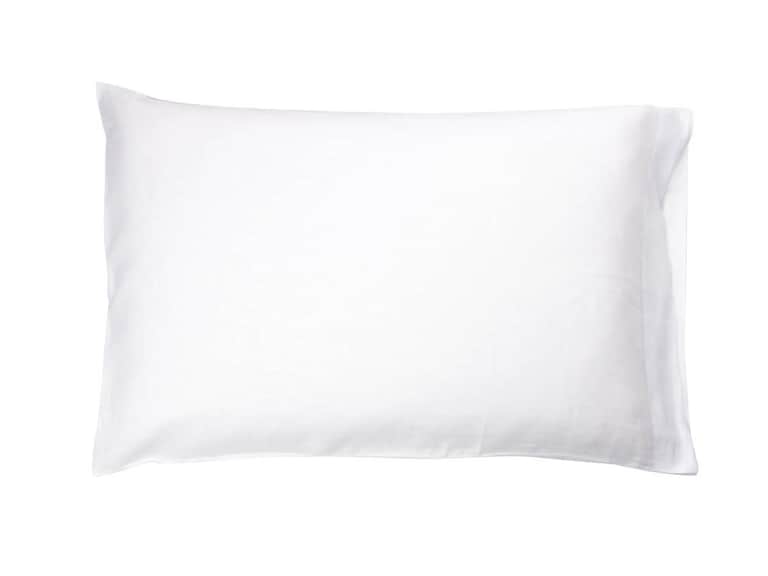
Product Spotlight: Classics Geneva Pillow-case
A linen pillow-case that embodies the Belgian Linen label’s heritage—woven with European flax, light in weight, and finished with a crisp flange for a tailored, luxurious silhouette against a white bed.
- Material: 100% linen
- Finish: Flange finish
- Weight: 4.9 oz/yd²
- Origin: Belgian Linen label; Belgium-woven fabric with European flax
- Care: Machine wash or dry clean; follow gentle care guidelines
This piece, from Libeco, is a quintessential expression of linen’s understated elegance—quietly anchoring a serene, chic sleep milieu with a touch of European craft.
Product image placeholder: Classics Geneva Pillow-case
Image shown for product reference. Available in the Geneva white variant.
Glossary and Resources: A Curated Linen Bibliography
To deepen your linen literacy, here are trusted resources and institutions known for linen standards, flax history, and textile education. A well-curated glossary helps transform casual curiosity into informed discernment, especially when evaluating bedding and textiles through a sustainability lens.
- Belgian Linen label and European flax provenance references from Belgian and European textile authorities.
- Textile museums and archives offering linen-focused collections and exhibitions.
- Scholarly glossaries and textile encyclopedias that cover linen terminology and historical context.
Conclusion: Linen as a Signature of Calm, Craft, and Conscious Living
Linen stands as a distinguished material in the modern home—an enduring symbol of sustainable luxury, tactile richness, and quiet sophistication. From the flax fields to the boutique bed, linen invites a ritual: choosing textiles with intention, caring for them with mindfulness, and allowing time to age the fabric into something deeply personal and beautifully imperfect. In a world of fast fashion and disposable textiles, linen offers an antidote: a durable, sustainable, and aesthetically compelling choice that invites a refined, editorial sensibility into everyday life.