Textile Notes Bedding
A Closer Look at DownTown Company Layla Linen Pillowcases
Linen has a way of making the everyday feel considered: a little rumpled, softly tactile, and quietly at ease. In DownTown Company’s Layla pillowcases, natural flax linen brings that familiar character to the most personal layer of the bed.
Published November 2, 2026
A pillowcase is a small textile with an unusually intimate job. It meets the face, shifts through the night, and is washed more often than many of the larger pieces in a bedding set. Its fiber, weave, finish, and fit can all shape the experience. Linen pillowcases are prized for a particular combination: a relaxed surface, an airy hand, and a natural texture that looks more appealing when it is not pressed into perfection.
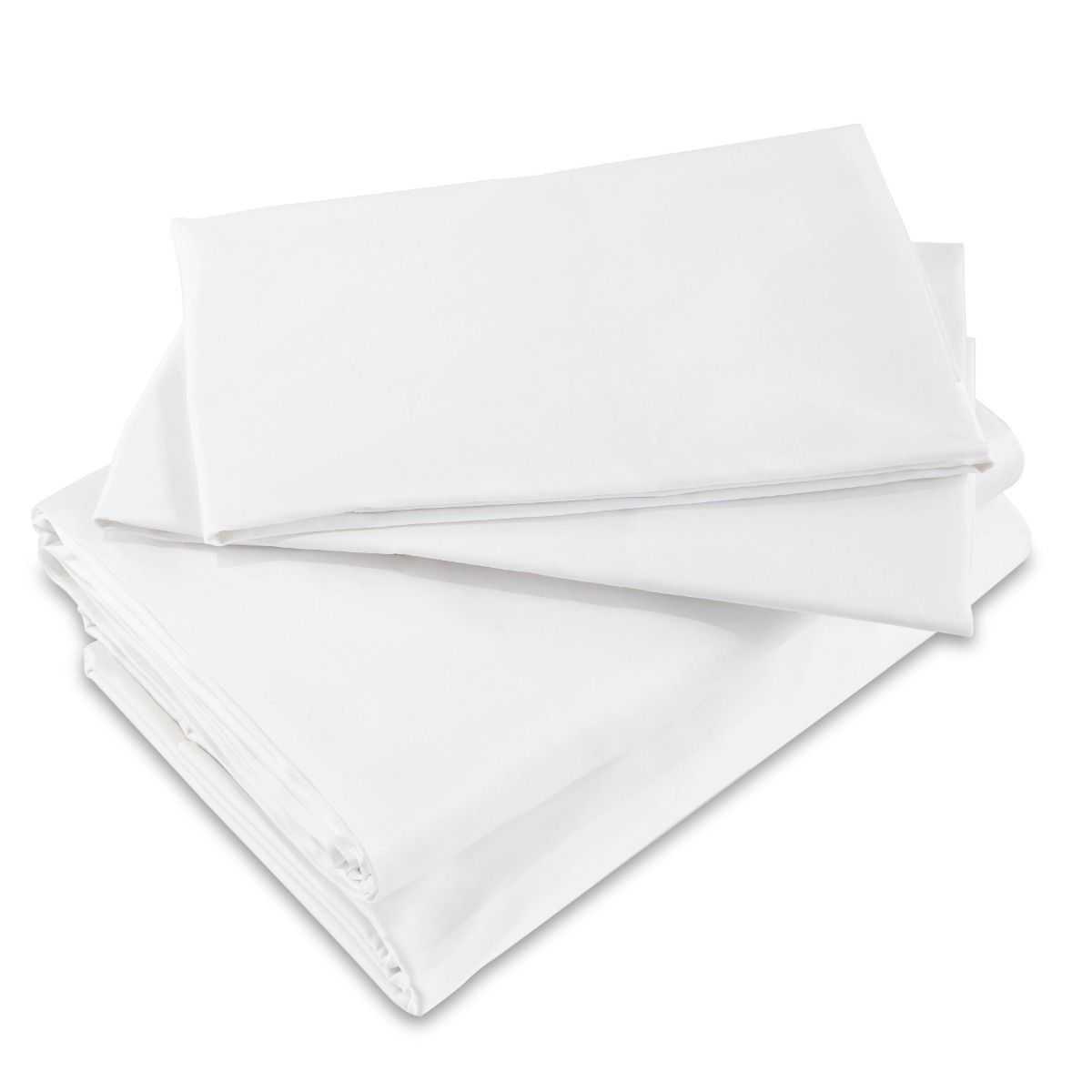
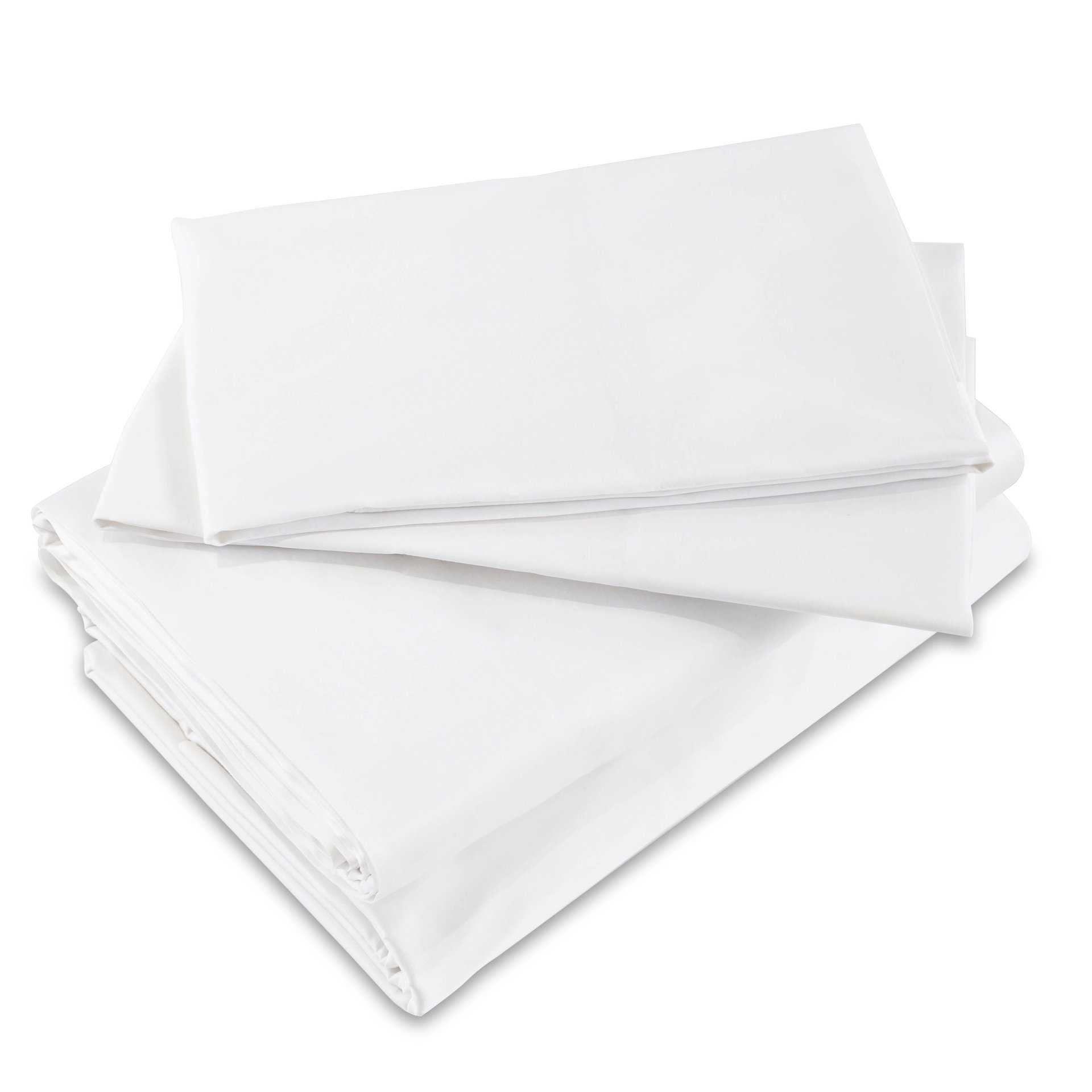
The DownTown Company Layla Linen Pillowcases offer a useful point of entry into those qualities. Made from 100% natural flax linen and woven in Portugal, they draw on a fiber known for breathability and moisture management. The design is understated, allowing the character of the material to do the talking. Available in Standard/Queen and King sizes, they can sit comfortably within a range of bedding arrangements, from crisp and tailored to gently undone.
Understanding what linen can—and cannot—promise makes it easier to choose pillowcases with confidence. The fabric is not magically cool in every room or wrinkle-free after every wash. Rather, it has a distinctive relationship with air, moisture, touch, and time. That relationship is the heart of linen’s appeal.
The flax behind the linen
Linen is made from the fibers of the flax plant, Linum usitatissimum. The plant also produces seeds commonly known as linseed or flaxseed, but the textile fiber comes from its stem. That distinction matters: linseed oil and flaxseed belong to the same plant story, yet linen cloth is a separate product with its own cultivation, processing, spinning, and weaving stages.
After harvesting, flax stems are processed to release long bast fibers beneath the outer layers. Those fibers are prepared, spun into yarn, and woven into cloth. The result is a textile with a crisp, slightly irregular character that differs from the smoother uniformity many people associate with cotton. Small variations in yarn and surface are part of linen’s visual language, not necessarily evidence of a flaw.
Flax fibers are naturally strong, and linen is often valued for durability as well as its tactile appeal. The fabric’s structure can allow air to circulate, while its capacity to take up and release moisture contributes to the fresh, dry impression many sleepers associate with it. The precise feel still depends on yarn quality, weave, weight, finishing, and laundering—not simply on the word “linen” printed on a label.
For the Layla pillowcases, the stated composition is 100% natural flax linen. That straightforward fiber content gives readers a clear starting point when comparing them with cotton, cotton-linen blends, or synthetic fabrics. The pillowcases are woven in Portugal, a detail of origin that identifies where the textile is made; it should not be confused with a claim that the flax itself was grown there.
A feel that is meant to be lived in
New linen can feel firmer and more textured than a sateen cotton pillowcase. Its surface may have a gentle grain, and its folds tend to form with a relaxed, unstudied quality. For anyone expecting a slick or glossy finish, that contrast can be surprising. Linen’s appeal is less about a polished slip and more about a breathable, natural hand that becomes familiar with use.
With repeated laundering, linen often softens. The change is gradual rather than theatrical: the surface may become more supple, the folds less stiff, and the cloth easier to settle against the pillow. This evolution is one reason linen can feel especially rewarding over time. The fabric does not need to look newly pressed to feel cared for; a little softness and irregularity are part of its character.
Softening is not a guarantee of identical results for every household. Water hardness, detergent, washing temperature, drying method, and the fabric’s original finish all influence the outcome. Aggressive heat or harsh treatment can shorten the life of any bedding textile, while gentle, consistent care is more likely to preserve linen’s strength and hand.
Texture is also a matter of preference. Some sleepers enjoy the crisp, dry sensation of linen, while others favor the smoother touch of a closely woven cotton. If choosing for a shared bed, consider whether both sleepers are comfortable with a visibly textured surface. Linen can be an excellent everyday option, but its appeal is specific—not a universal substitute for every fabric preference.
Airflow, moisture, and the sleep environment
Breathability is often the first quality mentioned in conversations about linen bedding. In practical terms, a breathable textile can feel less stifling than a dense, heat-retaining surface, particularly when the room is warm or a sleeper tends to feel hot. Linen’s open, natural character can help air move around the pillow, contributing to a more comfortable impression at the skin.
Moisture management is part of the same conversation. Linen can absorb moisture and release it, helping the surface feel less clammy under changing conditions. This does not mean a linen pillowcase controls body temperature, prevents perspiration, or guarantees uninterrupted sleep. Bedding is only one part of the sleep environment; room temperature, humidity, pillow fill, mattress materials, and personal comfort all play a role.
The Layla pillowcases may therefore appeal to people who prefer natural fibers and an airy feel, or who want a pillow layer that is less sleek and more textural. They are also a considered choice for year-round use: breathable fabrics can feel welcome in warmer weather, while a comfortable bedding arrangement in cooler seasons can be built through layers rather than relying on a single textile to do everything.
It is helpful to think of comfort as a combination of sensations rather than a headline claim. Linen may feel cool to one person and simply dry or crisp to another. Its performance is shaped by the room and by the rest of the bed. The most reliable test is whether the fabric’s hand, weight, and care routine suit the way you sleep.
Choosing the right size and arrangement
The Layla pillowcases are listed in Standard/Queen and King sizes. Before laundering or removing existing pillowcases, check the dimensions of the pillows you intend to use and compare them with the sizing information supplied for the specific set. Pillow labels and size conventions can vary, and a pillow’s loft or shape may affect how a case fits even when the nominal size appears compatible.
A close but comfortable fit helps keep the pillowcase neat without putting excessive strain on seams or closures. If the case is too small, the pillow may feel compressed or the fabric may pull; if it is too large, excess material can bunch beneath the head. Consider pillow depth as well as width and length, especially for generously filled or high-loft pillows.
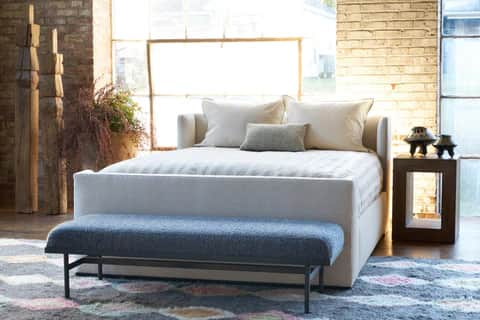
For a cohesive bed, linen pillowcases can be paired with linen sheets or mixed with cotton and other natural fibers. A coordinated set creates a quieter, more continuous surface; a deliberate mix introduces subtle contrast. The Layla cases’ clean design leaves room for either approach, allowing weave and texture—not pattern alone—to provide visual interest.
When layering, think about how each fabric feels where it touches the skin. A smooth cotton sheet beneath a textured linen pillowcase can make the contrast feel intentional, while matching linen layers create a more consistent, relaxed atmosphere. Neither approach is inherently better. The useful question is whether the combination feels harmonious to you.
Care that respects the fiber
Care instructions provided with a particular product should always take precedence over general advice. For the Layla pillowcases, consult the current product label or care guidance before washing; the product details available here establish the fiber content, origin, and size range, but do not specify a complete washing regimen. When instructions are not at hand, the safest first step is to check with the retailer or manufacturer rather than assume that every linen textile tolerates the same treatment.
As a general approach for washable linen, gentler handling tends to be kinder. Separate colors where appropriate, avoid overloading the machine, and choose a mild detergent suitable for the fabric. High heat and vigorous agitation can put unnecessary strain on fibers and seams. Do not use chlorine bleach unless the care instructions explicitly permit it; bleaching can weaken or alter textiles and may affect color or finish.
Drying deserves similar attention. Line drying can reduce exposure to heat and help preserve the fabric, while a tumble dryer, if permitted by the label, should be used conservatively. Removing linen before it becomes overly dry can help limit hard creasing. Smooth the pillowcases by hand and reshape them while damp, then allow them to finish drying according to the manufacturer’s guidance.
Wrinkles are not a care failure. Linen naturally creases, and many people value that lived-in appearance. If a smoother finish is preferred, consult the care label for ironing guidance and use an appropriate setting. Ironing while the fabric is slightly damp can make creases easier to ease, but excessive heat can damage fibers. A relaxed finish is often the simplest and most authentic expression of linen.
- Read the product’s care label before the first wash and follow it over generic linen advice.
- Use a gentle washing approach and avoid overcrowding the machine.
- Keep harsh chemicals and unnecessary high heat away from the fabric.
- Dry and store the pillowcases fully, in a clean, dry place.
- Expect natural creasing and gradual softening rather than a permanently pressed finish.
Regular washing is part of pillowcase care because the fabric sits close to the face and hair. A sensible laundry rhythm depends on personal habits, skin sensitivities, climate, and whether the pillowcase becomes damp or soiled. Keeping more than one set in rotation can make routine changes easier and reduce wear on any single pair.
What changes—and what does not—with washing
Over time, a well-cared-for linen pillowcase may become softer and more pliable. Its color may also evolve depending on dye, sunlight, detergent, and washing practices. These changes are individual to the fabric and its treatment; they should not be treated as a defect or as a promise that every pair will age in exactly the same way.
What does not change is the importance of matching care to construction. A linen pillowcase remains a woven textile with seams and an intended fit. It can be damaged by excessive tension, abrasion, or heat just as other bedding can. Take care when removing it from a pillow, particularly if the case feels snug, and avoid pulling sharply at a seam or closure.
It is also worth distinguishing softness from weakness. A softer hand after washing can be a normal, welcome part of linen’s life, but persistent fraying, unusual distortion, or a seam coming apart calls for closer inspection. Follow the care directions, and contact the retailer or maker if a product concern arises. No fabric is indestructible, and good care is about extending useful life—not preventing all change.
Linen beside cotton: a question of touch
Comparing linen with cotton can clarify what matters most in a pillowcase. Cotton comes in many forms, from crisp percale to smooth sateen, and its feel varies with fiber length, yarn, weave, and finish. Linen usually announces itself more clearly through its texture and relaxed creasing. The distinction is not simply natural versus synthetic—both linen and cotton are plant-based fibers—but a difference in how the cloth is constructed and experienced.
Those who want a sleek surface may gravitate toward sateen. A long-staple cotton sateen sheet, for example, is designed to offer a smoother hand and a subtle sheen. Linen offers another mood: a dry, tactile surface with a more casual drape. These textiles can coexist in one bedroom, and the choice between them need not be an all-or-nothing decision.
Thread count is not a useful shortcut when comparing linen with cotton. It is commonly discussed in relation to woven cotton sheets, but it does not capture linen’s particular qualities or provide a universal measure of softness and durability across different fibers. For linen, composition, weave, weight, finishing, construction, and care are more informative considerations.
A thoughtful choice for an everyday essential
The DownTown Company Layla Linen Pillowcases make sense for readers drawn to natural flax linen, a breathable feel, and a surface that becomes more inviting with use. Their 100% linen composition, Portuguese weaving, and Standard/Queen and King size options offer the essentials for evaluating the fabric and its place in a bedroom. The restrained design keeps attention on the fiber itself.
Before choosing, consider your preferred feel against the skin, the dimensions of your pillows, your tolerance for wrinkles, and the care routine you are realistically willing to follow. Linen rewards a light touch and a willingness to embrace texture; it may be less suited to someone who wants an immaculate, glossy surface straight from the dryer. Those differences are not shortcomings. They are the details that make fabric choice personal.
In the end, pillowcases are not merely finishing touches. They are a nightly point of contact, a layer that is laundered, handled, and lived with. Flax linen brings a particular balance of airiness and substance to that small ritual. Given patient care, its evolving softness can make the bed feel less like a display and more like a place to return to.
Frequently asked questions
Are linen pillowcases breathable?
Linen is valued for its airy structure and moisture-management qualities. How cool or comfortable it feels depends on the weave, room conditions, pillow, and individual preferences.
Will the Layla linen pillowcases soften after washing?
Linen often becomes softer and more pliable with repeated use and laundering. The pace and degree of change vary with the fabric and care routine, so follow the product’s specific instructions.
Do linen pillowcases need to be ironed?
No. Linen naturally wrinkles, and many people prefer its relaxed appearance. If you want a smoother finish, check the care label before ironing and use an appropriate method.
How do I know whether Standard/Queen or King will fit?
Measure your pillow and compare those dimensions with the current product sizing information. Pillow depth and loft can affect the fit, so nominal size alone may not tell the whole story.